```json
{
"product_data": {
"title": "
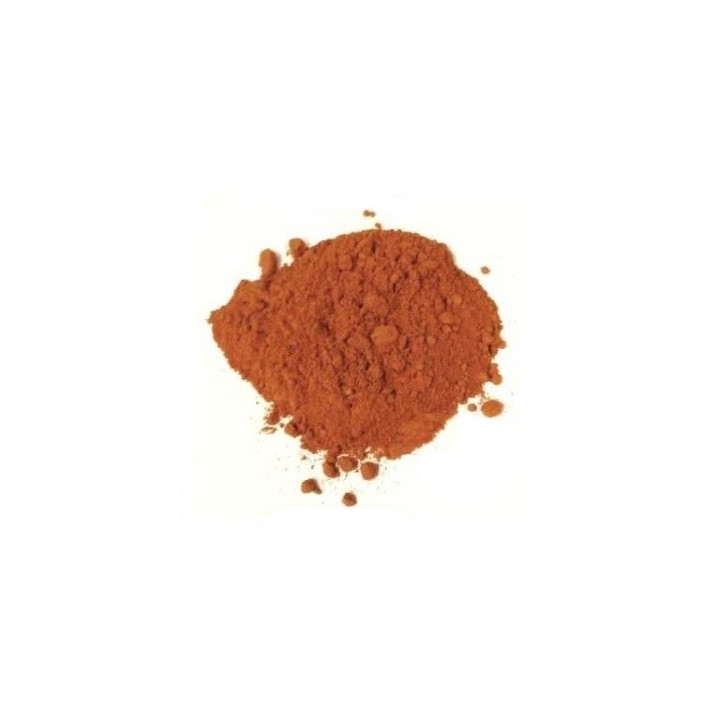
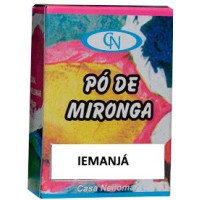
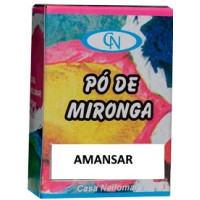
special powder – mandrake
",
"description": "
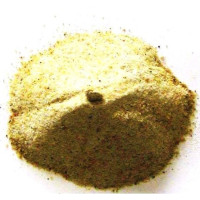
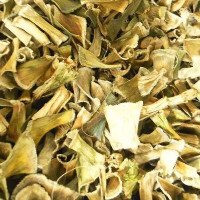
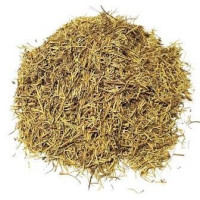
This special mandrake powder is used as an ingredient in various rituals, but it is also used to sprinkle on objects of worship, clothing items, rugs, footwear, or physical spaces and establishments.
Safety guidelines for special mandrake powder: Do not ingest, non-food product / Net weight of special mandrake powder: 20gr.
About mandrake
Mandrake has a long history of medicinal use, though superstition has played a significant part in its applications. It is rarely prescribed in modern herbal medicine. The fresh or dried root contains highly toxic alkaloids, including atropine, hyoscyamine, and scopolamine. The root is hallucinogenic and narcotic. In sufficient quantities, it induces a state of forgetfulness and was used as an anesthetic for surgery in ancient times. It was also used internally to treat convulsions, melancholy, and mania.
In the past, mandrake was often used in amulets to bring good luck and healing.
The use of the plant's root is very old, mentioned in biblical texts in Genesis 30:14 and Song of Songs 7:13. Legend has it that people who uprooted this root were condemned to hell, and when pulled out, the mandrake root would scream so loudly that it would kill anyone who heard its cry. For this reason, animals were used to harvest the plant.
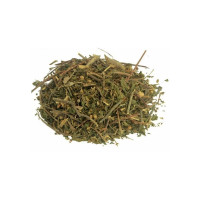
Mandrake is the common name for members of the Mandragora genus, particularly the species Mandragora officinarum, whose roots have been widely used in magical rituals. It is still used in Wiccan and Odinist rituals today. The plant grows between 0.1 and 0.3 meters tall.
The flowers are hermaphroditic (having both male and female organs) and are pollinated by insects. The plant is self-fertile. The roots have a carrot-like shape and can be up to 1.2 meters long.
The roots split into two, giving them an appearance similar to the human body. Mandragora officinarum grows in forests, cultivated beds, sunny edges, and places where the temperature never drops below -15 °C.
"
}
}
```








Comments (0)
Your review appreciation cannot be sent
Report comment
Report sent
Your report cannot be sent